本ブログでは企業前線で本業に従事しながらも、その本業をスムーズに進めるために専門外のマーケティング、特にITに係るマネタイズ、ビジネスモデルも考えなければならない方々への情報支援をしております。
本シリーズは越境EC向け自社商品のPR表現やバイヤーとのオンライン商談の為の参照用日英(基本&関連)用語集です。今回は、日本の「陶器(Pottery / Earthenware)」に絞ってカバーします。
陶器は「土もの」と呼ばれ、磁器にはない素朴な質感や、使うほどに風合いが変わる「育てる楽しみ」が海外の愛好家からも高く評価されています。一方で、吸水性があるための「目止め」や「貫入」の説明など、商談時に丁寧なフォローが必要な分野でもあります。
【1】陶器の基本分類と素材 (Base Materials & Texture)
磁器(石もの)との違いを明確にし、陶器の「温かみ」を伝える用語です。
- 陶器(とうき): Pottery / Earthenware
- 粘土を主原料とする「土もの」。1000〜1200度前後で焼かれ、厚手で吸水性がある。
- Known as “Tsuchi-mono” (earthware). Made from clay, fired at lower temperatures than porcelain, and features a porous, warm texture.
- 陶土(とうど): Potter’s Clay
- 陶器の原料となる粘土。産地ごとに鉄分や砂の混じり方が異なる。
- The raw clay used for pottery. Each region’s clay has unique mineral and iron content, affecting the final color and feel.
- 炻器(せっき): Stoneware
- 陶器と磁器の中間的な性質。非常に硬く焼き締まっており、吸水性が低い。備前焼などが代表。
- A hard, dense type of pottery fired at high temperatures until it becomes non-porous and stone-like.
- 粗土(あらつち): Coarse Clay
- 砂や小石が混じった、ざらりとした質感の土。
- Clay containing sand or small stones, giving the vessel a rustic and earthy tactile quality.
💡 豆知識:商談で役立つ「陶器の温もり」を語る表現
“Pottery has lower thermal conductivity than porcelain, meaning it keeps your tea warm for longer and feels gentle in your hands.” (陶器は磁器よりも熱伝導率が低いため、お茶が冷めにくく、手に持った時も優しい温もりが伝わります。)
【2】陶器独自の装飾と表現 (Specific Decorations & Features)
陶器ならではの「景色(見どころ)」を説明するための用語です。
- 貫入(かんにゅう): Craquelure / Fine Cracks in Glaze
- 素地と釉薬の収縮率の差で生じるヒビ模様。陶器鑑賞の大きな醍醐味。
- Intentional fine cracks in the glaze that occur during cooling. It is highly valued as a decorative feature in Japanese pottery.
- 御本手(ごほんで): Gohonde (Pinkish Spots)
- 焼成中に現れる、淡い桃色の斑点模様。
- Soft, pinkish spots that naturally appear on the surface during firing, adding a delicate beauty.
- 刷毛目(はけめ): Hakeme (Brush Strokes)
- 白泥(化粧土)を刷毛で塗り、勢いのある模様をつける技法。
- Dynamic patterns created by applying white slip with a broad brush before glazing.
- 粉引(こひき): Kohiki (Iron-rich clay with white slip)
- 赤土に白い泥を掛け、その上に透明釉をかけたもの。独特の柔らかい白が特徴。
- A technique of covering dark, iron-rich clay with white slip to create a soft, warm white appearance.
【3】成形と焼成の技法 (Crafting & Firing)
手仕事の価値(ハンドメイド・クオリティ)を強調するセクションです。
- 手びねり(てびねり): Hand-building / Hand-pinched
- ろくろを使わず、指先や紐状の粘土で形を作る最も原始的で味わい深い技法。
- Shaping clay by hand without a wheel, resulting in a unique, organic form with the artisan’s touch.
- 削り(けずり): Trimming / Carving
- 半乾燥した状態で高台(底)などを削り出し、形を整える工程。
- The process of carving the foot or thinning the walls of a vessel when the clay is leather-hard.
- 焼き締め(やきしめ): Unglazed Firing
- 釉薬をかけずに高温で長時間焼くこと。土そのものの色や質感が楽しめる。
- Firing at high temperatures for a long period without any glaze to showcase the raw texture of the clay.
- 窯変(ようへん): Kiln Change / Accidental Transformation
- 窯の中で炎や灰が作用し、予期せぬ色や模様が生まれること。
- Unexpected transformations in color or texture caused by the chemical reactions within the kiln.
【4】主要な製品形態 (Product Formats & Shapes)
陶器が好まれる具体的なアイテムです。
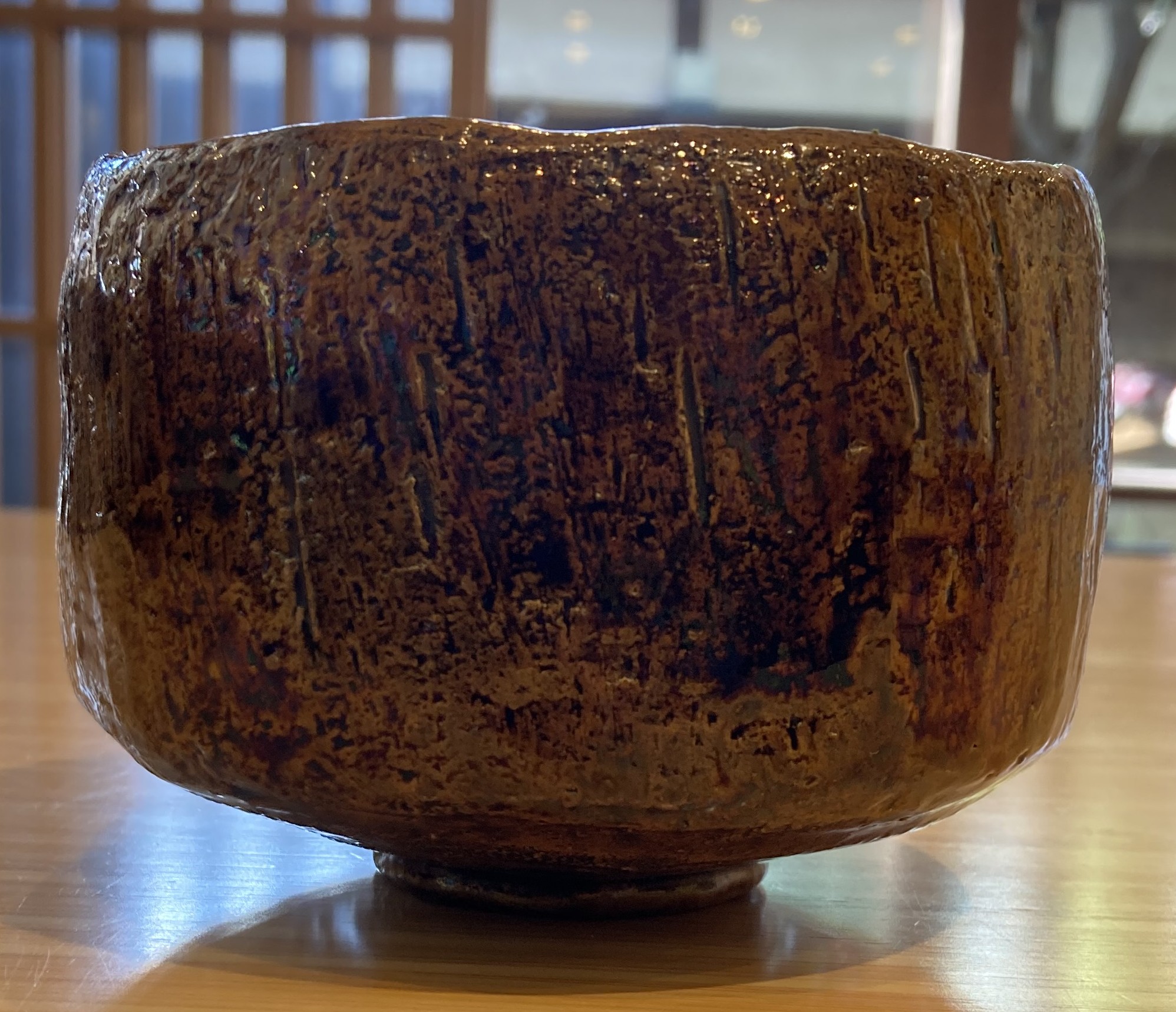
- 抹茶碗(まっちゃわん): Matcha Bowl / Tea Bowl
- 日本の陶器技術の結晶。手に持った時の重みや唇への当たりが重視される。
- The pinnacle of pottery craft, where the weight, texture, and “mouthfeel” are essential for the tea ceremony.
- 土鍋(どなべ): Donabe (Clay Pot)
- 耐熱性が高く、蓄熱性に優れた調理器具。
- A heat-resistant clay pot used for slow-cooking, prized for its ability to retain and distribute heat evenly.
- 花入れ(はないれ): Flower Vase
- 陶器の素朴な質感が草花を引き立てる。
- A rustic flower vase that enhances the natural beauty of seasonal plants.
【5】陶器の取扱いと「育てる」文化 (Care & Maintenance)
越境ECで最も説明が求められる「目止め」に関するセクションです。
- 目止め(めどめ): Sealing (Seasoning with rice water)
- 使い始めに米のとぎ汁で煮ることで、料理の油分や色の沈着を防ぐ作業。
- A traditional process of boiling a new piece in rice water to seal its pores and prevent staining from food.
- 器を育てる(うつわをそだてる): Aging / Developing a Patina
- 長年使うことで貫入に色が染み、深みが増していく変化を愛でる文化。
- The aesthetic appreciation of how pottery changes over time, gaining character and depth through regular use.
- カビ防止(かびぼうし): Preventing Mold
- 吸水性が高いため、洗浄後は十分に乾燥させてから収納する必要がある。
- Pottery absorbs moisture; it must be dried thoroughly before storage to prevent mold growth.
【6】陶器の主な産地 (Major Pottery Regions)
磁器の産地(有田など)を除いた、主要な陶器(土もの)の産地です。
- 信楽(Shigaraki): 琵琶湖の古い地層から取れる荒い土と、緋色が特徴。
- 備前(Bizen): 釉薬を一切使わず、1000年続く「焼き締め」の聖地。
- 萩(Hagi): 「萩の七化け」と呼ばれるほど、使うほどに色が変わる変化が有名。
- 益子(Mashiko): 民藝運動の中心地。厚手で質朴な、暮らしに寄り添う器。
本シリーズのバックナンバー
【越境EC向け日英用語集シリーズ】
日本の豊かな自然資源を世界へ届けるビジネスにおいて、業界を跨いだ知識はマーケティングの大きな武器となります。ぜひ併せてご活用ください。
御礼🔶後書き
🔶今回も最後までご覧い頂き大変ありがとうございます。🔶Gold🔶
[v4b.4b.1a/S1]