本ブログでは企業前線で本業に従事しながらも、その本業をスムーズに進めるために専門外のマーケティング、特にITに係るマネタイズ、ビジネスモデルも考えなければならない方々への情報支援をしております。
本シリーズは越境EC向け自社商品のPR表現やバイヤーとのオンライン商談の為の参照用日英(基本&関連)用語集です。今回は越境ECで取引されている「漆器(Lacquerware)」をカバーします。漆器は「Japan」と称されるほど日本を代表する工芸品ですが、素材の特性上、海外の乾燥地帯での取り扱いやメンテナンスなど、商談時に丁寧な説明が求められます。定期的に更新して使えるデータベースとしてまとめてまいりますので、宜しくお願いいたします。
- 【1】漆器の基本分類と素材 (Base Materials & Classification)
- 【2】加飾技法と装飾 (Decorative Techniques & Ornamentation)
- 【3】主要な製品形態 (Product Formats & Shapes)
- 【4】品質維持と取扱い (Care & Maintenance)
- 【5】梱包・状態用語 (Packing & Condition)
- 【6】主な天然素材と特徴 (Common Natural Wood Materials)
- 本シリーズのバックナンバー
【1】漆器の基本分類と素材 (Base Materials & Classification)
漆器は、伝統的な「天然木・本漆」のものから、現代のライフスタイルに合わせた「合成樹脂・近代塗料」のものまで多岐にわたります。これらを正しく使い分けることが、商談成功の鍵となります。
A: 胎土・木地(土台の素材) (Base Materials / Core)
- 天然木(てんねんぼく): Natural Wood (Solid Wood)
- 欅(Zelkova)、栃(Horse Chestnut)など。使うほどに味わいが出る高級素材。
- Premium materials like Zelkova or Horse Chestnut; they develop a unique character over time.
- 木粉圧縮樹脂(もくふんあっしゅくじゅし): Wood Powder Composite Resin
- 木粉と樹脂を混ぜたもの。天然の風合いと耐久性を両立。
- A mixture of wood powder and resin, balancing a natural feel with enhanced durability.
- 合成樹脂(ごうせいじゅし): Synthetic Resin (Plastic)
- ABS樹脂など。軽くて割れにくく、量産が可能なため日常使い(近代漆器)に最適。
- Lightweight and shatter-resistant materials like ABS resin, ideal for everyday “modern lacquerware.”
B: 塗り・仕上げ (Lacquering & Finishes)
- 本漆(ほんうるし): Genuine Urushi (Natural Lacquer)
- 漆の樹液100%。抗菌作用があり、時が経つほど硬く、艶やかになる。
- 100% natural sap; it has antibacterial properties and becomes more lustrous and durable with age.
- ウレタン塗装(うれたんとそう): Urethane Coating
- 近代漆器に多く、摩耗に強く手入れが簡単。電子レンジ対応製品も多い。
- A synthetic finish common in modern lacquerware; highly durable and often microwave-friendly.
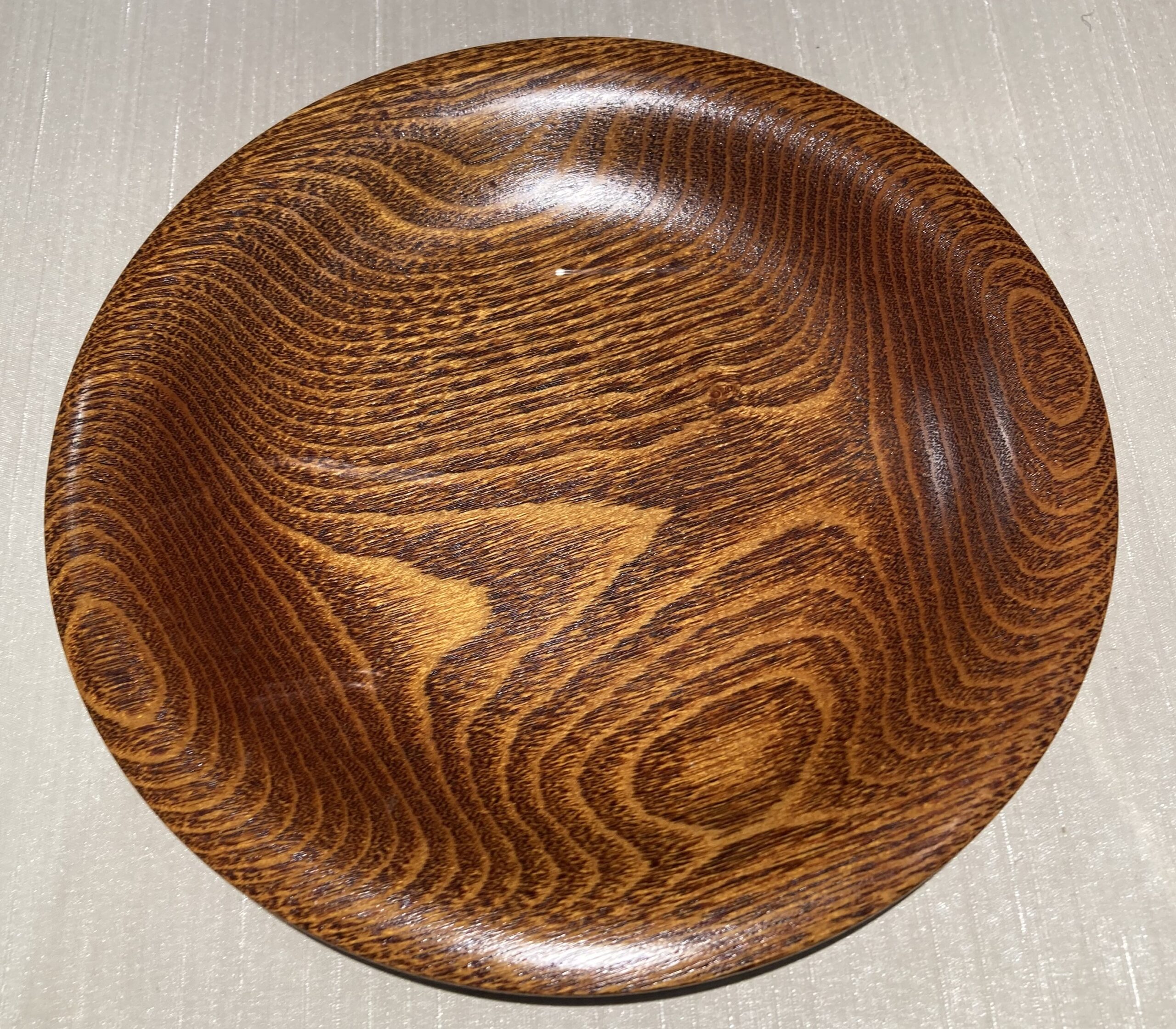
- 拭き漆(ふきうるし): Fuki-urushi (Wiping Lacquer)
- 木目をあえて見せる技法。山中漆器の大きな特徴の一つ。
- A technique that highlights the natural wood grain, a striking characteristic of Yamanaka lacquerware.
C: 山中漆器の伝統と現代 (Tradition & Modernity of Yamanaka)
- 木地挽き(きじびき): Wood Turning (Woodworking)
- ろくろを回して木を削る技術。
- 👉代表例として山中漆器は木地(木製素地)の生産量において日本一を誇る。
- The craft of shaping wood on a lathe; Yamanaka is renowned as Japan’s leading producer.
- ろくろを回して木を削る技術。
- 近代漆器(きんだいしっき): Modern Lacquerware
- 伝統技術を活かしつつ、プラスチック素材等を用いて量販店向けに発展した漆器。
- Lacquerware developed for mass markets, utilizing modern materials while retaining traditional aesthetics.
- 分業制(ぶんぎょうせい): Division of Labor
- 木地、塗り、蒔絵の3工程をそれぞれの専門職人が担当する仕組み。
- A production system where specialists handle three distinct steps: woodworking, lacquering, and maki-e.
💡 豆知識:商談で役立つ「漆器 vs 陶磁器」の説明フレーズ
“Unlike ceramics, which are made from clay, lacquerware is remarkably lightweight and warm to the touch.” (粘土から作る陶磁器と違い、漆器は驚くほど軽く、手に持った時に温かみがあるのが特徴です。)
💡 豆知識:プラスチック製との違いを語る「呼吸」の表現
“Plastic containers are like artificial flowers—they never change. Lacquerware, however, reacts to humidity as if it were breathing, allowing you to enjoy its changing texture.” (プラスチック容器は造花と同じで変化しませんが、漆器は空気中の湿度に反応して呼吸するように変化するため、その手触りの移ろいを楽しむことができます。)
ユーザー(事業者)様へのアドバイス:
この【1】のセクションで、「なぜこの値段なのか(天然素材だから)」あるいは「なぜこの利便性があるのか(近代漆器だから)」を明確に区別して記載することで、海外バイヤーとの価格交渉がスムーズになります。
【2】加飾技法と装飾 (Decorative Techniques & Ornamentation)
漆器の美しさを決定づける加飾(飾り付け)は、バイヤーへ「付加価値」を説明する際の最重要ポイントです。伝統的な金粉技法から、木目を生かす素朴な美までをカバーします。
A: 伝統的な装飾技法 (Traditional Decorative Arts)
- 蒔絵(まきえ): Maki-e (Gold/Silver Sprinkled Lacquer)
- 漆で描いた絵が乾かないうちに、金銀の粉を蒔いて定着させる日本独自の豪華な技法。
- A unique Japanese technique where gold or silver powder is sprinkled onto wet lacquer designs to create an elegant, raised effect.
- 螺鈿(らでん): Raden (Mother-of-pearl Inlay)
- アワビや白蝶貝などの真珠層を薄く削り、漆器の表面にはめ込む技法。
- The delicate inlay of iridescent shell fragments (such as abalone), creating a captivating, shimmering glow.
- 沈金(ちんきん): Chinkin (Engraved Gold Inlay)
- 漆の表面を専用のノミで彫り、その繊細な溝に金粉や金箔を埋め込む技法。
- A technique involving the engraving of fine patterns into the lacquer surface, which are then filled with gold leaf or powder.
- 色漆絵(いろうるしえ): Colored Lacquer Painting
- 顔料を混ぜた色漆を使って、直接器に絵を描く技法。
- The process of painting designs directly onto the surface using lacquer mixed with various colored pigments.
B: 質感と風合いを生かす技法 (Technique focusing on Texture)
- 拭き漆(ふきうるし): Fuki-urushi (Wiped Lacquer Finish)
- 木材の表面に生漆を塗り、布で拭き取る作業を繰り返す技法。山中漆器などで特に有名。
- A process of applying and wiping off raw lacquer repeatedly to highlight the natural beauty and grain of the wood.
- 溜塗り(ためぬり): Tame-nuri (Translucent Amber Finish)
- 下塗りの色(朱など)の上に、半透明の漆を塗り重ねることで、奥深い光沢を出す技法。
- A layering technique using translucent lacquer over a colored base, resulting in a deep, glossy amber finish that brightens over time.
- 根来塗り(ねごろぬり): Negoro-nuri (Black-and-Red Layered Finish)
- 黒漆の上に朱漆を塗り重ね、使い込むことで下の黒が見えてくる、経年変化を楽しむ技法。
- A style where red lacquer is applied over black; with years of use, the black layer gradually reveals itself, creating a worn, vintage aesthetic.
C: 現代の装飾技術 (Modern Decorative Techniques)
- スクリーン印刷(すくりーんいんさつ): Screen Printing
- 近代漆器(プラスチック製等)に用いられる、均一で精密な図案を量産する技術。
- A modern technique used for mass-producing precise designs on modern lacquerware, ensuring consistent quality.
- 手描き(てがき): Hand-painted
- 職人が一点ずつ筆で描いていること。量産品との差別化ポイント。
- Individually painted by hand by artisans, marking the piece as a “one-of-a-kind” item compared to mass-produced goods.
💡 豆知識:商談で役立つ「蒔絵と螺鈿」の解説フレーズ
“Maki-e and Raden are not just decorations; they represent the pinnacle of Japanese patience and precision, taking months to complete a single piece.” (蒔絵や螺鈿は単なる装飾ではありません。一つの作品を完成させるのに数ヶ月を要する、日本人の忍耐と精密な技術の結晶です。)
💡 豆知識:木目の美しさを語るフレーズ
“By intentionally showing the wood grain, the artisan pays respect to the natural world, turning even ‘defects’ into unique characteristics.” (あえて木目を見せることで、職人は自然界に敬意を表します。木の節などの「欠点」さえも、世界に一つの個性へと変えるのです。)
【3】主要な製品形態 (Product Formats & Shapes)
日本の漆器は、汁椀のような日常着の「ケ」の器から、重箱のような儀式的な「ハレ」の器、さらには現代のオフィスやインテリアに馴染む小物まで、用途に合わせて多様に発展してきました。
A: 食卓の器・食器類 (Tableware)
- 汁椀(しるわん): Soup Bowl
- 主に味噌汁に使われる器。漆器は断熱性が高いため、熱い汁物を入れても手に熱が伝わりにくく、中身が冷めにくいのが特徴。
- Primarily used for miso soup. The high insulation of lacquerware keeps the soup hot while remaining comfortable to hold.
- 飯椀(めしわん): Rice Bowl
- ご飯を盛るための碗。木の軽さと柔らかな手触りが、毎日の食事を豊かにします。
- A bowl for serving rice. Its lightweight nature and soft texture enhance the daily dining experience.
- 箸(はし): Chopsticks
- 漆塗りの箸は口当たりが滑らかで、耐久性にも優れています。ギフトとしての需要も非常に高いアイテム。
- Lacquered chopsticks offer a smooth mouthfeel and exceptional durability, making them a popular gift item.
- 盆・トレー(ぼん): Tray
- 食事を運ぶだけでなく、ランチョンマットのように一人分の食事をセットする「折敷(おしき)」としても重宝されます。
- Used not only for serving but also as a “place mat” to define an individual’s dining space.
B: 保存容器・特別な日の器 (Storage & Ceremonial Pieces)
- 重箱(じゅうばこ): Tiered Food Box (Bento Box)
- 正月料理(おせち)などに使われる重ね式の箱。現代ではピクニックやホームパーティーの演出としても人気。
- Stackable boxes used for celebratory meals. Today, they are also popular for picnics and elegant home party presentations.
- 弁当箱(べんとうばこ): Bento Box
- 特に「曲げわっぱ」に漆を塗ったものは、調湿効果により時間が経ってもご飯が美味しいと海外でも注目されています。
- Especially lacquered “Magewappa” boxes, which are gaining international attention for keeping rice delicious through natural humidity control.
- 銘々皿(めいめいざら): Individual Small Plate
- お菓子や料理を一人分ずつ取り分けるための小皿。
- Small plates used for serving individual portions of sweets or appetizers.
C: インテリア・ライフスタイル小物 (Interior & Lifestyle Items)
- 手箱・文庫(てばこ・ぶんこ): Accessory Box / Document Case
- 貴重品や書類を収めるための装飾的な箱。蒔絵が施されたものは美術品としての価値も高い。
- Decorative boxes for storing valuables or documents; pieces with Maki-e are often valued as works of art.
- 花瓶(かびん)・花器(かき): Flower Vase
- 漆の光沢が花の色を引き立てます。中に落とし(筒)を入れて使用するのが一般的。
- The luster of lacquer complements the colors of flowers. These usually include an inner container to hold water.
- 酒器(しゅき): Sake Set (Cups & Carafes)
- ぐい呑み(Sake cup)や片口(Sake carafe)。漆の質感は日本酒の味わいをよりまろやかに感じさせます。
- Sake cups and carafes. The texture of lacquer is said to make the flavor of sake feel smoother and more mellow.
💡 豆知識:商談で役立つ「漆器の機能性」を伝えるフレーズ
“Lacquerware has low thermal conductivity, meaning it keeps your food warm while staying cool to the touch. It is the perfect ‘ergonomic’ tableware from ancient Japan.” (漆器は熱伝導率が低いため、料理は温かく保ちつつ、手には熱さを感じさせません。まさに古代日本が生んだ究極の『人間工学』に基づいた食器です。)
💡 豆知識:重箱の「現代的な使い方」の提案
“While traditionally used for New Year’s, these tiered boxes are now popular for serving chocolates, hors d’oeuvres, or even storing jewelry.” (伝統的にはお正月用ですが、現代ではチョコレートやオードブルを盛り付けたり、ジュエリーボックスとして使ったりするのも人気です。)
越境ECにおいて、このセクションは最も重要です。海外(特に欧米)のユーザーは「食洗機で洗えるか」「乾燥した部屋で割れないか」を非常に気にします。クレームを未然に防ぎ、かつ「漆器を育てる」というポジティブな価値観を伝えるための用語集です。
【4】品質維持と取扱い (Care & Maintenance)
漆器は「壊れやすい」のではなく、「正しく扱えば一生もの」になる道具です。特に海外のバイヤーやエンドユーザーに対しては、近代漆器との違いも含め、具体的なNGアクションと正しい手入れを伝えることが信頼に繋がります。
A: 日常の洗浄と手入れ (Daily Washing & Care)
- 手洗い推奨(てあらいすいしょう): Hand Wash Recommended
- 柔らかいスポンジと中性洗剤で優しく洗うこと。
- Please wash gently by hand using a soft sponge and mild dish soap.
- 食洗機・乾燥機不可(しょくせんき・かんそうきふか): Not Dishwasher or Dryer Safe
- 高温の熱風や水圧が、漆の剥離や木の歪みの原因になる。
- The high heat, air pressure, and harsh detergents can cause the lacquer to peel or the wood to warp.
- つけ置き禁止(つけおききんし): Do Not Soak
- 長時間水に浸すと、木地が水分を吸って変形やひび割れを招く恐れがある。
- Avoid soaking in water for extended periods, as the wood may absorb moisture and cause the lacquer to crack.
- 柔らかい布で拭く(やわらかいぬのでふく): Wipe with a Soft Cloth
- 洗浄後、水滴が残らないよう乾いた布で拭き取ると、水垢を防ぎ艶が長持ちする。
- After washing, wipe with a dry, soft cloth to prevent water spots and maintain its natural luster.
B: 保管環境と注意点 (Storage & Environment)
- 直射日光を避ける(ちょくしゃにっこうをさける): Avoid Direct Sunlight
- 漆は紫外線に弱く、長時間浴びると変色や光沢の消失(劣化)を招く。
- Lacquer is sensitive to UV rays; prolonged exposure can lead to discoloration or loss of gloss.
- 極度の乾燥を避ける(きょくどのかんそうをさける): Avoid Extreme Dryness
- 暖房の風が直接当たる場所などは、天然木のひび割れの原因になる。
- Avoid placing near heaters or in very arid areas, as extreme dryness may cause the natural wood to split.
- 電子レンジ不可(でんしれんじふか): Not Microwave Safe
- 火災の危険や、素地の急激な膨張による破損のリスクがあること。
- Never use in a microwave, as it poses a fire hazard and can cause the base material to expand and rupture.
C: 長く使うための知恵 (Wisdom for Longevity)
- 塗り直し(ぬりなおし): Re-lacquering / Refurbishing
- 数年使い込んで艶が落ちた際、漆を塗り直すことで新品同様に蘇らせることができる。
- A process of applying a fresh coat of lacquer to restore the piece to its original beauty after years of use.
- 金継ぎ(きんつぎ): Kintsugi (Golden Repair)
- 割れたり欠けたりした部分を漆と金粉で修復し、その傷跡を「景色」として楽しむ文化。
- The traditional art of repairing broken pottery or lacquerware with gold and lacquer, celebrating the history of the object.
💡 豆知識:商談で役立つ「乾燥対策」のアドバイス
“In dry climates, keeping a small cup of water inside the storage cabinet can provide the necessary humidity to keep your lacquerware healthy.” (乾燥した地域では、収納棚の中に小さなコップ一杯の水を入れておくだけで、漆器の状態を保つのに必要な湿度を補うことができます。)
💡 豆知識:漆器を「育てる」という付加価値
“Unlike mass-produced plastic, genuine lacquerware ‘breathes.’ The more you use it and wipe it, the more beautiful and translucent the finish becomes over time.” (量産品のプラスチックと違い、本物の漆器は「呼吸」しています。使い込み、拭き上げるほどに、漆の層は透明度を増し、より美しく育っていきます。)
【5】梱包・状態用語 (Packing & Condition)
漆器、特に天然木や蒔絵の製品は非常にデリケートです。配送時のダメージを防ぐための実務用語と、開封時の感動を演出する伝統的な包装に関する表現をカバーします。
A: 包装と外箱 (Packaging & Presentation)
- 桐箱(きりばこ): Paulownia Wood Box
- 防虫・防湿効果に優れ、日本の最高級品に欠かせない保管箱。
- A premium box made of Paulownia wood, offering natural pest resistance and humidity control—essential for high-end items.
- 化粧箱(けしょうばこ): Decorative Gift Box
- 厚紙で作られた、デザイン性の高い贈答用ボックス。
- A high-quality paper gift box designed for an elegant unboxing experience.
- 真田紐(さなだひも): Sanada-himo (Traditional Woven Strap)
- 桐箱を固定するために使われる、伸びにくく丈夫な伝統工芸の紐。
- A traditional, non-stretch woven strap used to securely fasten premium wooden boxes.
- 布包み(ぬのづつみ): Cloth Wrapping
- 器を傷から守るため、箱の中でウコン布や柔らかな布で包むこと。
- Wrapping the item in a soft cloth (often yellow “ukon” cloth) inside the box to prevent scratches during transit.
B: 配送と保護 (Shipping & Protection)
- 緩衝材(かんしょうざい): Cushioning / Padding Material
- プチプチ(Bubble wrap)や紙パッキンなど、衝撃を吸収する素材。
- Shock-absorbing materials used to ensure the item survives international transit.
- 厳重梱包(げんじゅうこんぽう): Secure / Extra-protective Packaging
- 海外配送の衝撃に耐えられるよう、二重箱(Double boxing)などで補強すること。
- Reinforcing the package, such as using double boxing, to withstand the rigors of international shipping.
- ワレモノ注意(われものちゅうい): Fragile-Handle with Care
- 配送ラベルに記載する必須の警告文。
- A mandatory warning label to inform carriers that the contents are delicate.
C: 状態と個体差 (Condition & Natural Variations)
- 個体差(こたいさ): Individual Differences / Unique Variations
- 天然木や手描きゆえに、一つとして同じものがないこと。
- Natural variations in grain or brushstrokes, proving each piece is a unique, handmade work of art.
- 天然木由来の節(てんねんぼくゆらいのふし): Natural Knots in Wood
- 欠陥ではなく、天然素材の証としての木の節や模様。
- Natural knots or patterns in the wood; these are not defects but evidence of authentic natural materials.
- 経年変化(けいねんへんか): Aging / Patina
- 年月を経て漆の色が明るくなったり、深みが増したりすること。
- The process where the lacquer becomes more translucent or develops a deeper glow over the years.
💡 豆知識:商談で役立つ「桐箱」の付加価値アピール
“The Paulownia box is not just a container; it is a natural climate-control system that preserves the lacquerware for generations.” (桐箱は単なる箱ではありません。漆器を何世代にもわたって守り続けるための、天然の湿度調節システムなのです。)
💡 豆知識:個体差をポジティブに伝えるフレーズ
“Because each piece is finished by hand using natural wood, no two are exactly alike. Your item is truly one-of-a-kind in the world.” (一点一点が天然木を用い、手作業で仕上げられているため、同じものは二つとありません。お手元の品は、世界にたった一つの作品です。)
【6】主な天然素材と特徴 (Common Natural Wood Materials)
漆器の素地(木地)に使われる木材は、その硬さや木目の美しさによって最適な用途が異なります。ここでは代表的な樹種と、商談で使える特徴をまとめます。
1. 欅(ケヤキ): Zelkova
- 特徴: 日本を代表する広葉樹。非常に硬く、力強い木目が美しい。
- 用途: お椀、お盆、一生ものの高級家具。
- Key Phrase: “Renowned for its strength and bold, beautiful grain, Zelkova is considered the finest wood for traditional Japanese lacquerware.”
2. 栃(トチ): Horse Chestnut
- 特徴: 緻密で滑らかな質感が特徴。木地師がろくろで挽きやすく、複雑な形状の器に向く。
- 用途: 汁椀、大鉢、銘々皿。
- Key Phrase: “With its fine, silky texture, Horse Chestnut is ideal for creating smooth, elegantly shaped bowls and dishes.”
3. 栗(クリ): Chestnut
- 特徴: 耐久性と耐水性に極めて優れ、タンニンを多く含む。時が経つにつれ色が濃く変化する。
- 用途: 日常使いの汁椀、箸、建材。
- Key Phrase: “Highly durable and water-resistant, Chestnut develops a rich, dark patina over years of daily use.”
4. 棗(ナツメ): Jujube
- 特徴: 重厚で硬く、使い込むほどに艶が増す。木目がはっきりしている。
- 用途: 茶道具(棗)、高級工芸品、汁椀。
- Key Phrase: “Jujube is a dense wood that grows more lustrous with use, making it a favorite for high-end tea ceremony utensils.”
5. 水目桜(ミズメザクラ): Japanese Cherry Birch
- 特徴: 桜に似た美しい樹皮を持つが、実はカバノキの仲間。非常に希少で最高級の漆器に使われる。
- 用途: 最高級の碗、家具。
- Key Phrase: “A rare and precious wood used for the highest-grade lacquerware, offering a stunning contrast between its core and outer layers.”
6. 档(アテ)/ 能登ヒバ: Noto Hiba (Thujopsis)
- 特徴: 天然の抗菌・防虫成分(ヒノキチオール)を豊富に含む。湿気に強く腐りにくい。
- 用途: 輪島塗の素地、建材、箸。
- Key Phrase: “Rich in natural antibacterial compounds, Noto Hiba is prized for its exceptional durability and resistance to rot.”
7. 楓(カエデ): Maple
- 特徴: 明るい色合いと高い弾力性が特徴。洋風の食卓にも合うナチュラルな仕上がりになる。
- 用途: 洋食器、菓子器、楽器。
- Key Phrase: “Known as Maple, this wood features a bright, elegant color and excellent elasticity, perfect for modern tableware.”
8. 唐木素材(黒檀・紫檀): Exotic Hardwoods (Ebony / Rosewood)
- 特徴: 熱帯原産。極めて硬く重厚で、半永久的な耐久性を持つ。
- 用途: 高級箸、装飾品、楽器。
- Key Phrase: “Extremely dense and heavy, these exotic hardwoods are used for premium chopsticks and items requiring lifelong durability.”
9. その他エコ素材(アカシア・ココヤシ等): Eco-friendly Materials (Acacia / Coconut Wood)
- 特徴: 成長が早く計画的に植林される「アカシア」や、実の収穫を終えた古木を再利用する「ココヤシ」は、環境負荷の低い新素材として欧米を中心に注目されています。
- 用途: 近代的な食卓向けのカトラリー、ボウル、カジュアルな雑貨。
- Key Phrase: “Materials like Acacia and Coconut Wood are gaining significant attention in Western markets as eco-friendly alternatives, balancing sustainability with a modern, natural aesthetic.”
💡 豆知識:商談で役立つ「樹種の選び方」のアドバイス
“For everyday soup bowls, we recommend Chestnut or Zelkova for their durability. For artistic gift pieces, Japanese Cherry Birch or Jujube offer the most exquisite finish.” (日常使いの汁椀には、耐久性のあるクリやケヤキをお勧めします。芸術的なギフトには、仕上がりが非常に美しいミズメザクラやナツメが最適です。)
ユーザー(事業者)様へのアドバイス:
「木材名(学名)」を商品ページに記載しておくと、特に欧米の植物愛好家やこだわりを持つバイヤーからの信頼度が飛躍的に高まります。また、アカシアやココヤシ(エコ素材)などは、サステナビリティを重視する層へのアピールに有効です。
本シリーズのバックナンバー
【越境EC向け日英用語集シリーズ】
日本の豊かな自然資源を世界へ届けるビジネスにおいて、業界を跨いだ知識はマーケティングの大きな武器となります。ぜひ併せてご活用ください。
御礼🔶後書き
🔶今回も最後までご覧い頂き大変ありがとうございます。🔶Gold🔶v4b.4b.1a/+S